Adjustable Dumbbells Buying Guide: Selectorized vs. Dial-Pin Mechanisms
Learn how to choose adjustable dumbbells for your home gym. Compare dial-turn mechanisms, pin-block systems, and screw-collars for durability.
Expert reviewed by Tanisha Panwar, MS, CISSN on Reviewed for accuracy by the professional named here. How we label reviews
In This Article
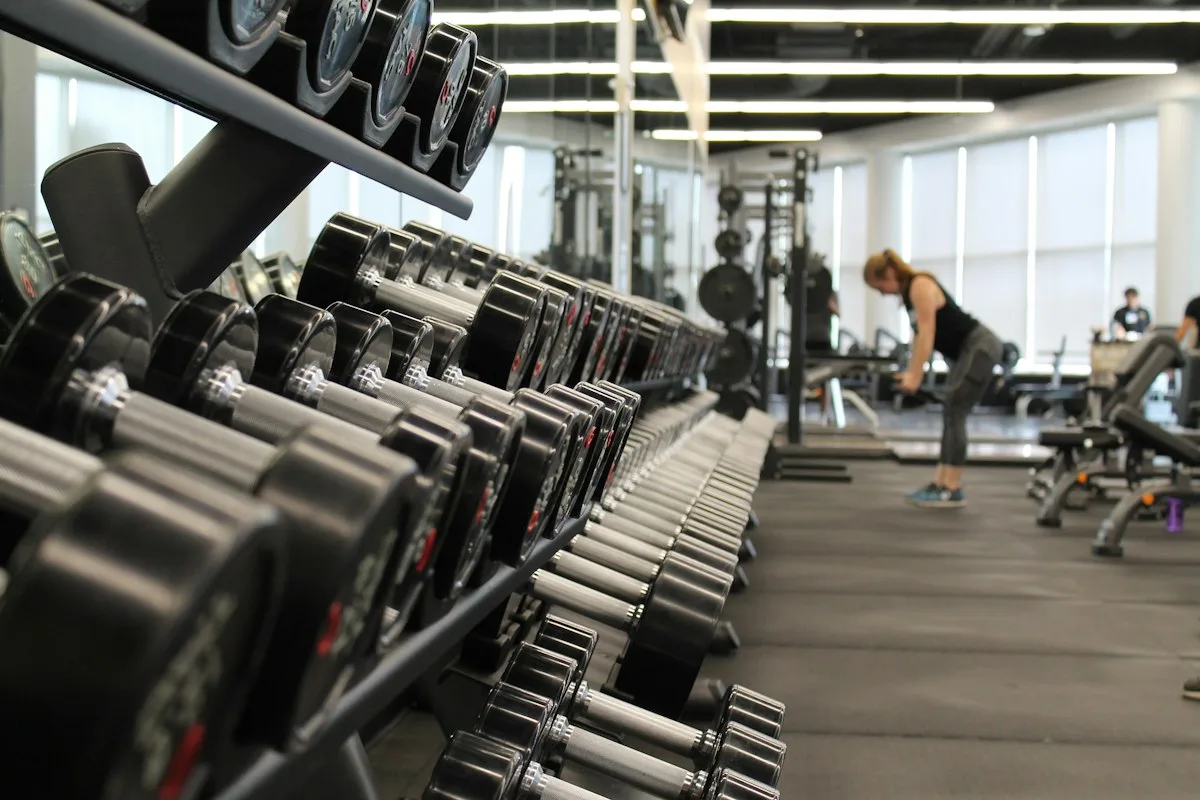
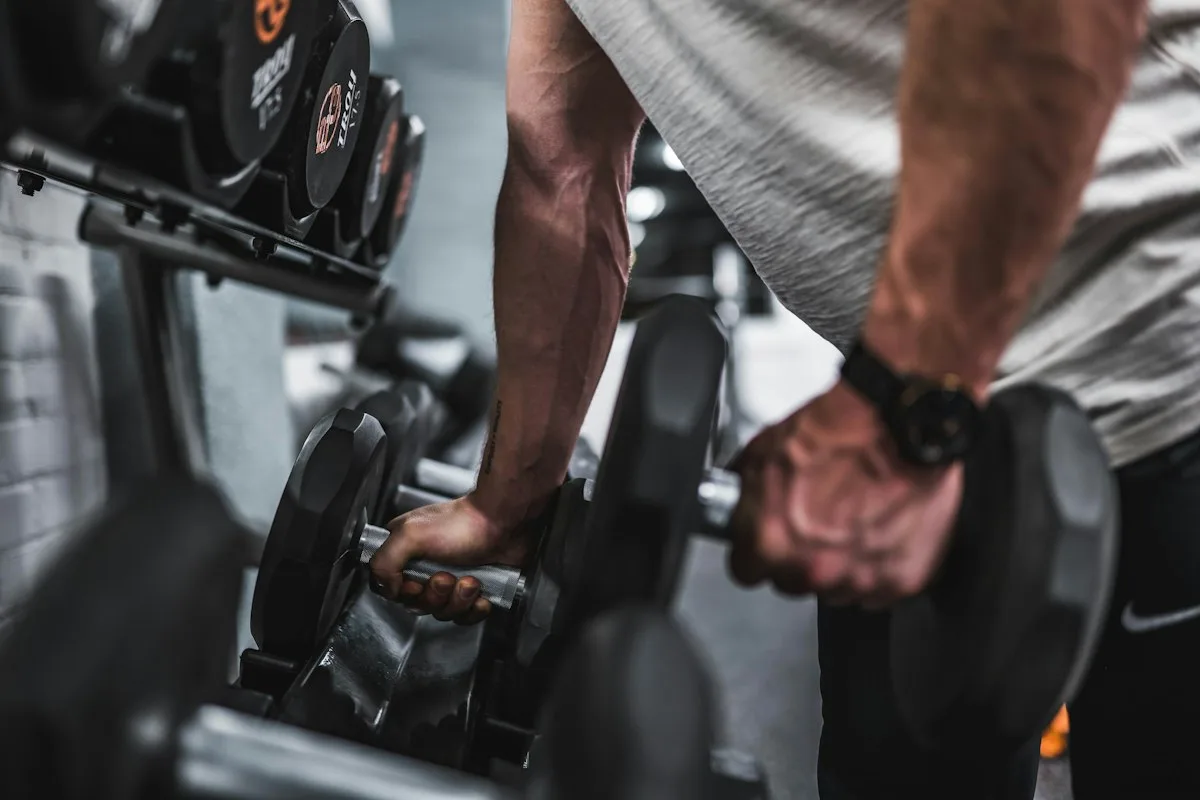
If you only have the budget and space for a single piece of strength equipment in your home, make it a set of Adjustable Dumbbells.
A complete set of traditional cast-iron hexagonal dumbbells running from 5 to 50 pounds requires 15 individual pairs of dumbbells, consumes a massive 6-foot multi-tier steel rack, and costs upwards of $1,200. In contrast, a single pair of adjustable dumbbells occupies less than four square feet of floor space while delivering an identical training stimulus.
However, not all adjustable dumbbells are created equal. The market ranges from fragile plastic dial systems to nearly indestructible all-steel pin-block mechanisms.
Here is the objective engineering breakdown of what to evaluate before investing.
The Three Primary Adjustment Mechanisms
1. Dial-Turn Selectorized Dumbbells (e.g., Bowflex Style)
- How It Works: You place the dumbbell into a cradle, rotate a circular dial at each end to your desired weight (e.g., 25 lbs), and lift. The internal mechanism locks onto the corresponding plates, leaving the rest in the tray.
- Pros: Lightning-fast weight changes (under 3 seconds); sleek aesthetic.
- Cons: Internal mechanisms contain plastic gears and cams. They can NEVER be dropped. If dropped on a gym floor, internal plastic clips can crack, causing plates to slip out overhead during an incline press—a serious safety hazard. Furthermore, the overall length of the dumbbell remains long even at light 5-lb settings.
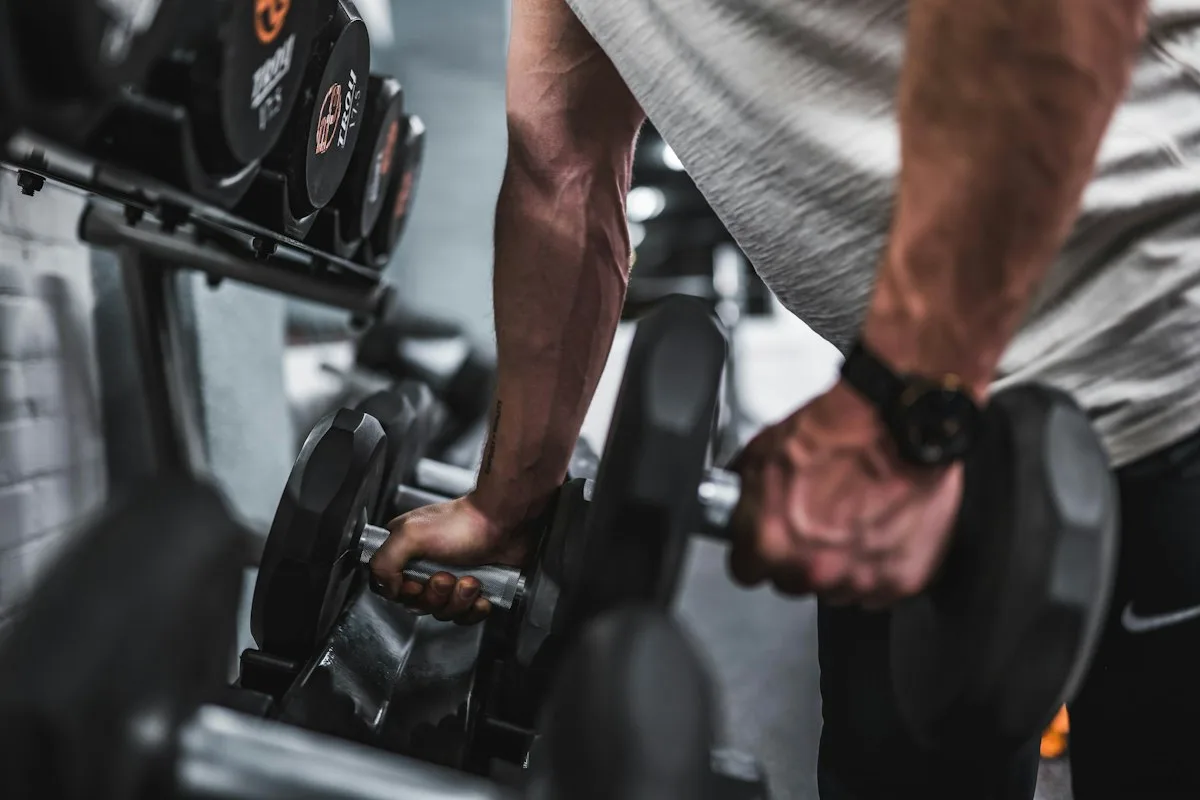
2. Magnetic Pin-Block Systems (e.g., PowerBlock Style)
- How It Works: Uses a rectangular nested nested-plate cage with a magnetic selector pin that slides horizontally across color-coded weight bars.
- Pros: Extraordinary durability. Made predominantly of welded steel with virtually zero delicate plastic moving parts. Excellent balance and weight expansion kits available up to 90+ lbs per hand.
- Cons: The squared-off cage handle design feels unconventional compared to traditional cylindrical dumbbell handles, requiring an adjustment period for wrist clearance on certain movements.
3. Twist-Lock Handle Systems (e.g., Nuobell Style)
- How It Works: You turn the center knurled handle while resting in the cradle to click into weight increments.
- Pros: True traditional dumbbell silhouette. When you select 10 lbs, the dumbbell physically shortens, giving natural wrist clearance during bicep curls and bench presses.
- Cons: Moderate drop vulnerability; higher price point.
4 Critical Features to Check Before Buying
- Weight Increments: Avoid models with massive 10-lb jumps (e.g., jumping directly from 20 to 30 lbs). Look for systems with 2.5-lb or 5-lb progression increments to allow proper progressive overload.
- Handle Texture (Knurling vs. Rubber): Rubber-coated handles get sticky and tear over time. Favor machined steel knurling, which provides secure grip even with sweaty hands.
- Flat Dumbbell Ends: When preparing for heavy dumbbell bench presses, lifters naturally rest the ends of the dumbbells vertically on their thighs before kicking back. Avoid dumbbells with sharp protruding center rods that painfully dig into your quadriceps.
- Maximum Expansion Ceiling: Beginners often outgrow a 50-lb dumbbell within two years on compound rows and squats. Look for brands that offer optional 70-lb or 90-lb expansion kits.
| Mechanism Type | Adjustment Speed | Drop Durability | Traditional Feel | Best Suited For |
|---|---|---|---|---|
| Dial-Turn (Bowflex style) | Extremely Fast (2–3 sec) | Low (Plastic gears; never drop) | Moderate (Long overall frame) | General fitness, supersets, HIIT |
| Pin-Block (PowerBlock) | Fast (5 sec) | Very High (Steel construction) | Square cage design | Heavy lifters prioritizing lifetime durability |
| Twist-Handle (Nuobell) | Fast (3 sec) | Moderate (Handle rotation) | Flawless traditional dumbbell | Lifters wanting true gym dumbbell aesthetics |
| Spin-Lock Threaded Collars | Very Slow (30–60 sec) | Indestructible (Solid iron) | Traditional round plates | Ultra-budget setups; slow lifters |
The Bottom Line
Adjustable dumbbells are the single highest-value investment in home fitness. Choose a durable pin-block or machined twist-handle system with small 2.5-to-5 lb increments, and build a lifetime of functional strength in the comfort of your home.
Sources
HealthScope uses government health agencies, medical institutions, and peer-reviewed research to support the facts in our articles. Read our sources policy.
- Ergonomics in Design. Home Resistance Training Equipment Durability and Biomechanical Ergonomics (opens in a new tab). 2020.
- Journal of Strength and Conditioning Research. Biomechanical Comparison of Traditional vs. Adjustable Resistance Training Loads (opens in a new tab). 2017.