A Beginner’s Step-by-Step Framework for Stress-Free Weekly Meal Prep
Learn how to master weekly meal prep without spending your entire Sunday in the kitchen. The component prep method, container hygiene, and workflow systems.
Editorially reviewed Checked by our editors for clarity and sourcing. It has not been reviewed by a medical professional. How we label reviews
In This Article
Many well-intentioned individuals attempt meal prep by spending five exhausting hours on a Sunday afternoon cooking 15 identical plastic containers of dry chicken breast, broccoli, and brown rice. By Wednesday, the food is rubbery, boring, and unappetizing, prompting a return to restaurant takeout.
Meal prep does not have to be rigid, bland, or time-consuming. By abandoning the “identical boxed meal” concept and adopting Component Prep, you can prepare a week of diverse, restaurant-quality meals in under 90 minutes.
The Component Prep Philosophy
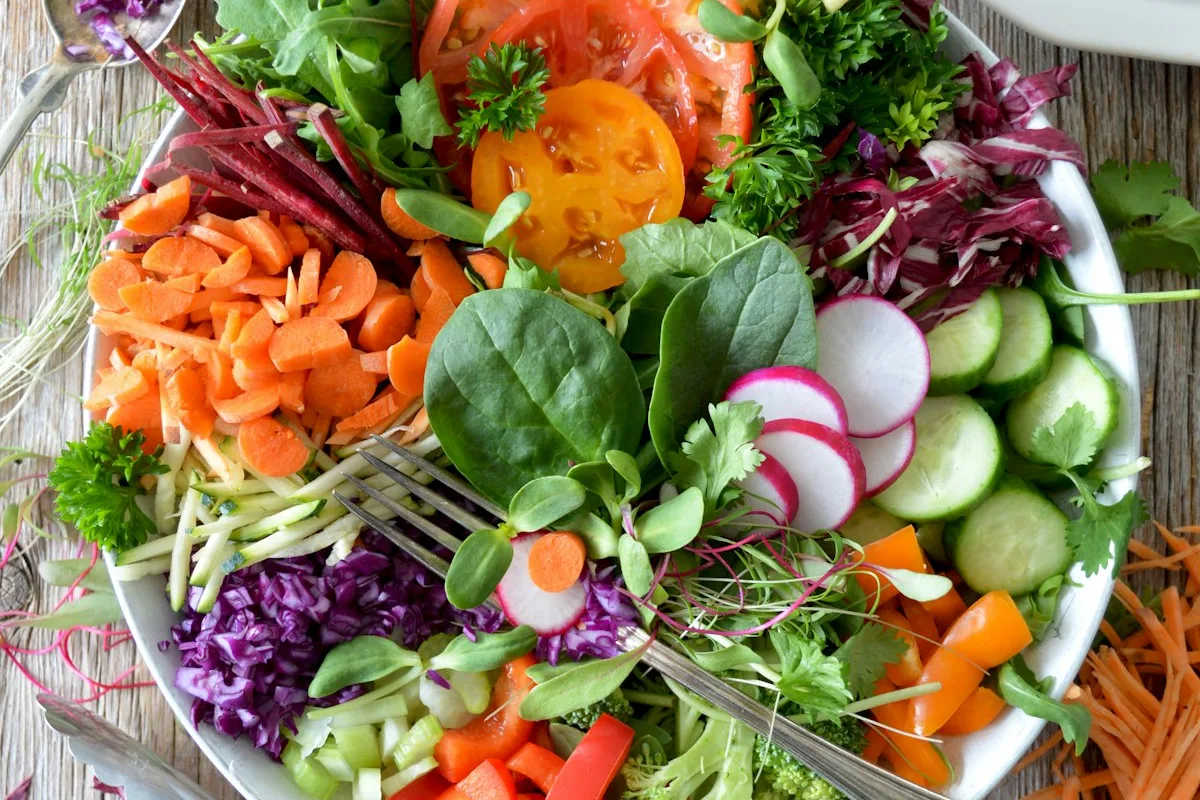
Instead of pre-assembling full meals that get soggy in the fridge, you batch-cook versatile, interchangeable building blocks:
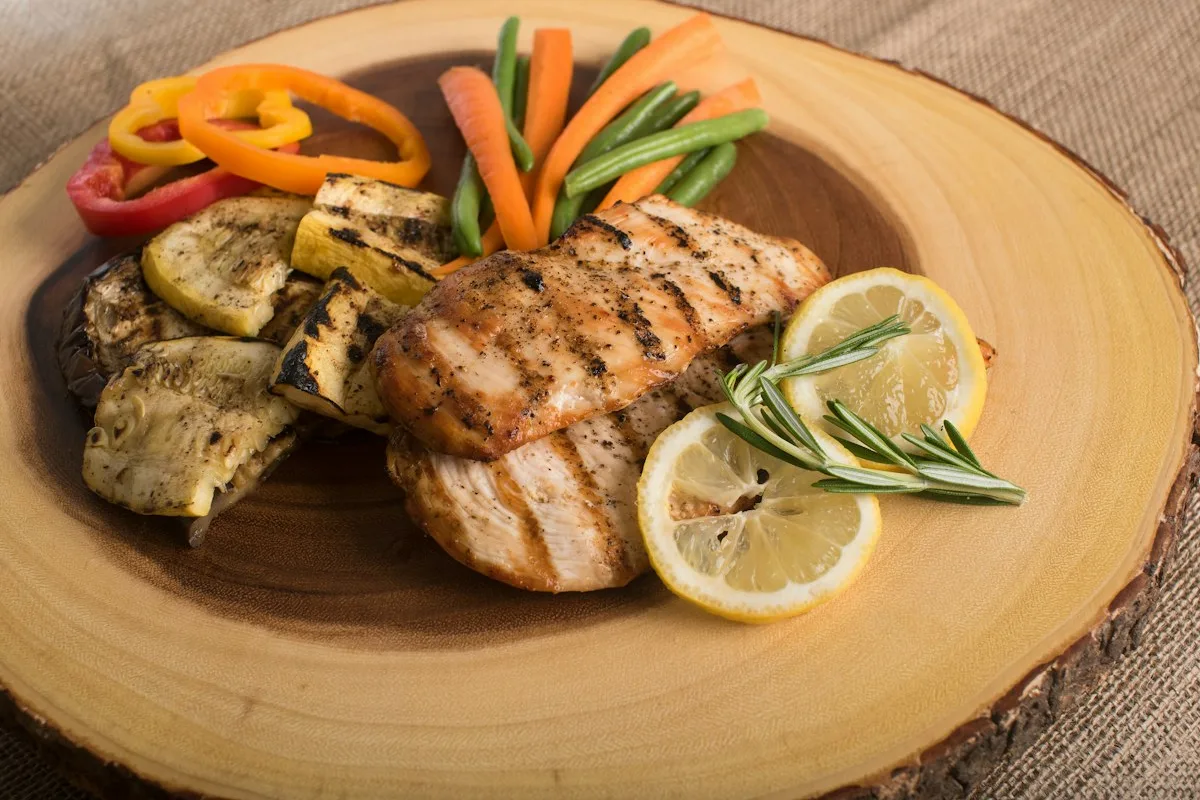
- Two Base Proteins: e.g., sheet pan baked chicken thighs and seasoned black beans.
- Two Complex Starches: e.g., roasted sweet potato cubes and a pot of fluffy quinoa.
- Two Roasted Vegetables: e.g., roasted broccoli florets and bell peppers.
- Two Flavor Sauces: e.g., lemon-herb tahini and chimichurri.
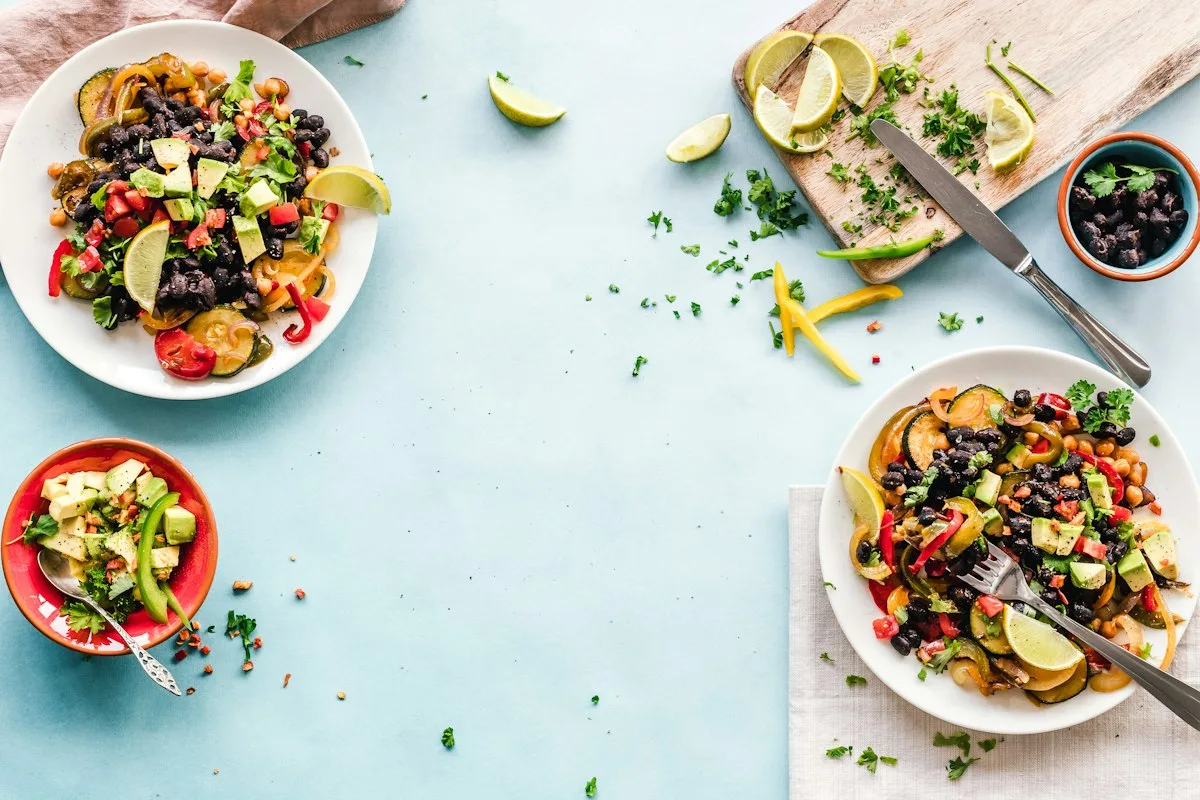
With these components pre-cooked and stored in separate glass containers, you can assemble a Mediterranean bowl on Monday, a Mexican burrito bowl on Tuesday, and an Asian stir-fry wrap on Wednesday—each taking under three minutes to assemble.
The 90-Minute Sunday Workflow
To maximize speed, organize your kitchen into three simultaneous zones: Oven, Stovetop, and Cutting Board.
Phase 1: Fire Up the Long-Cook Items (Minutes 0–15)
- Preheat oven to 400°F (200°C).
- Chop sweet potatoes and broccoli; toss in olive oil and seasonings; place in oven (sets timer for 30 min).
- Put a pot of brown rice or quinoa on the stovetop (sets timer for 20 min).
Phase 2: Protein Prep (Minutes 15–45)
- Season your chicken breasts or tofu slices.
- Place protein on a second sheet pan and slide into the oven alongside the vegetables.
- Drain and rinse your canned chickpeas or black beans.
Phase 3: Fresh Produce & Sauces (Minutes 45–75)
- Wash and spin dry leafy greens.
- Whisk together your two sauces in mason jars.
- Remove roasted vegetables and proteins from the oven to cool.
Phase 4: Container Pack-Up (Minutes 75–90)
- Allow all hot foods to reach room temperature before sealing to prevent condensation and sogginess.
- Pack into airtight glass containers and store in the refrigerator.
| Food Component | Safe Fridge Lifespan | Best Reheating Method | Freezer Friendly? |
|---|---|---|---|
| Cooked Chicken / Turkey | 3 to 4 days | Skillet or oven (preserves moisture) | Yes (up to 3 months) |
| Cooked Salmon / Fish | 2 to 3 days maximum | Gentle low-heat toaster oven | Not recommended |
| Whole Grains (Quinoa, Rice) | 5 days | Microwave with 1 tsp water | Yes (freezes exceptionally well) |
| Roasted Cruciferous Veggies | 4 to 5 days | Air fryer (restores crispy edges) | No (turns mushy) |
| Homemade Dressings / Sauces | 7 to 10 days | Serve cold or room temp | Yes (oil/herb bases) |
Invest in Glass, Ditch the Plastic
When reheating food, never microwave food in cheap takeout plastic containers. Heat accelerates the leaching of endocrine-disrupting chemicals (phthalates and bisphenols) into your food. Invest in a set of borosilicate glass containers with snap-locking silicone lids; they are oven-safe, dishwasher-safe, and odor-resistant.
The Bottom Line
Meal prep is an act of self-care for your future self. By establishing a streamlined 90-minute weekly component workflow, you eliminate dinnertime stress, save thousands of dollars annually, and make healthy eating the path of least resistance.
Sources
HealthScope uses government health agencies, medical institutions, and peer-reviewed research to support the facts in our articles. Read our sources policy.
- American Journal of Preventive Medicine. Meal Preparation Frequency and Quality of Diet: Cross-Sectional Analysis (opens in a new tab). 2014.
- Appetite. Household Food Waste and Meal Planning Behavior (opens in a new tab). 2017.