Batch Cooking 101: Prepping Grains, Legumes, and Proteins for Fast Assembly
Master the art of batch cooking staples. How to properly cook, portion, cool, and freeze large batches of quinoa, lentils, and poultry safely.
Editorially reviewed Checked by our editors for clarity and sourcing. It has not been reviewed by a medical professional. How we label reviews
In This Article
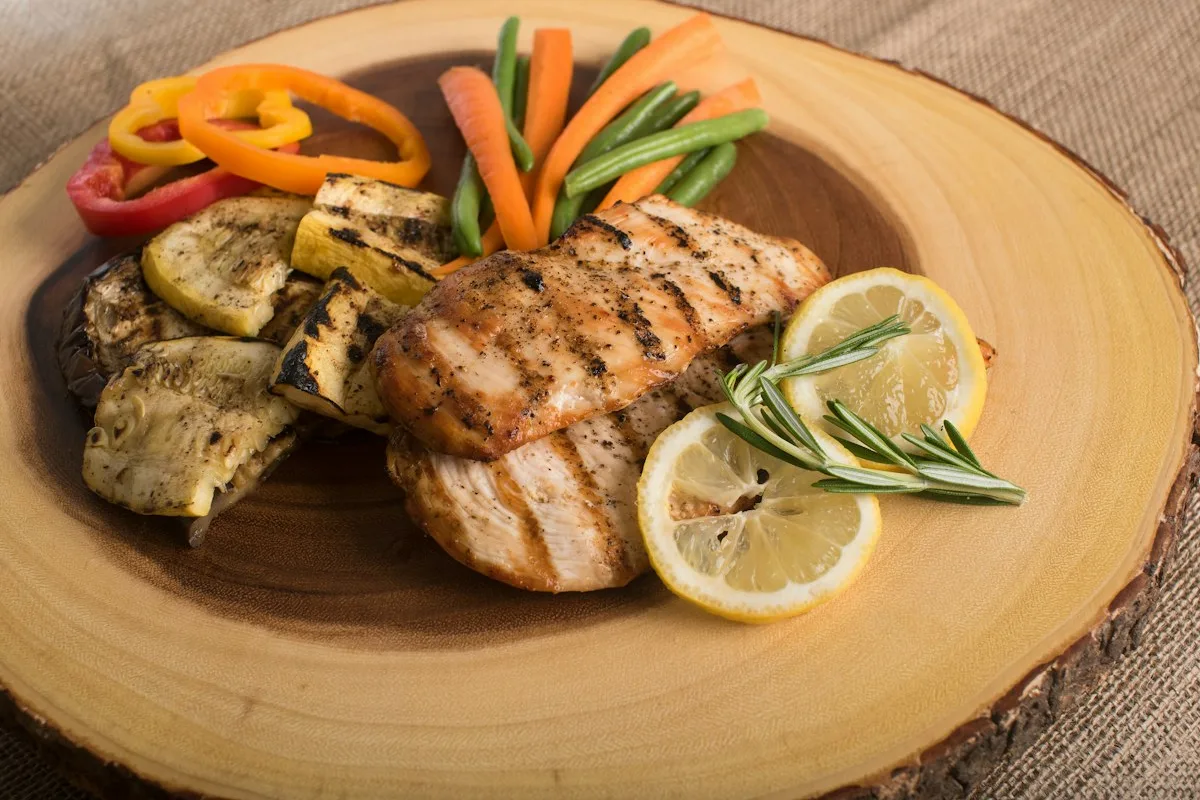
If cooking dinner from scratch every single night feels overwhelming, batch cooking is the ultimate tactical upgrade. Rather than preparing a single cup of rice or two chicken tenders, you exploit the principle of economies of scale: it takes essentially the same time and cleanup to cook four pounds of protein as it does one pound.
However, improper batch cooking can lead to dry, rubbery meat, soggy grains, or worse, bacterial food poisoning. Here is the clinical, food-science approach to batch cooking staples safely and deliciously.
Food Safety First: The Two-Hour Rule
When cooking large volumes of starchy grains (especially rice) and animal proteins, you must navigate the Temperature Danger Zone (40°F to 140°F / 4°C to 60°C), where pathogenic bacteria replicate exponentially.
- The Danger of Rice: Uncooked rice frequently carries dormant spores of Bacillus cereus, a bacterium capable of surviving boiling temperatures. If cooked rice is left cooling on the counter for hours, these spores germinate and produce heat-stable enterotoxins that cause severe gastrointestinal illness.
- The Rapid Cool Protocol: Never place a deep, steaming 5-quart pot directly into your refrigerator; the core remains warm for hours, heating up adjacent foods. Instead, spread cooked grains or shredded meats across a wide, shallow metal baking sheet. It will cool to room temperature in 15 minutes, ready for safe refrigeration.
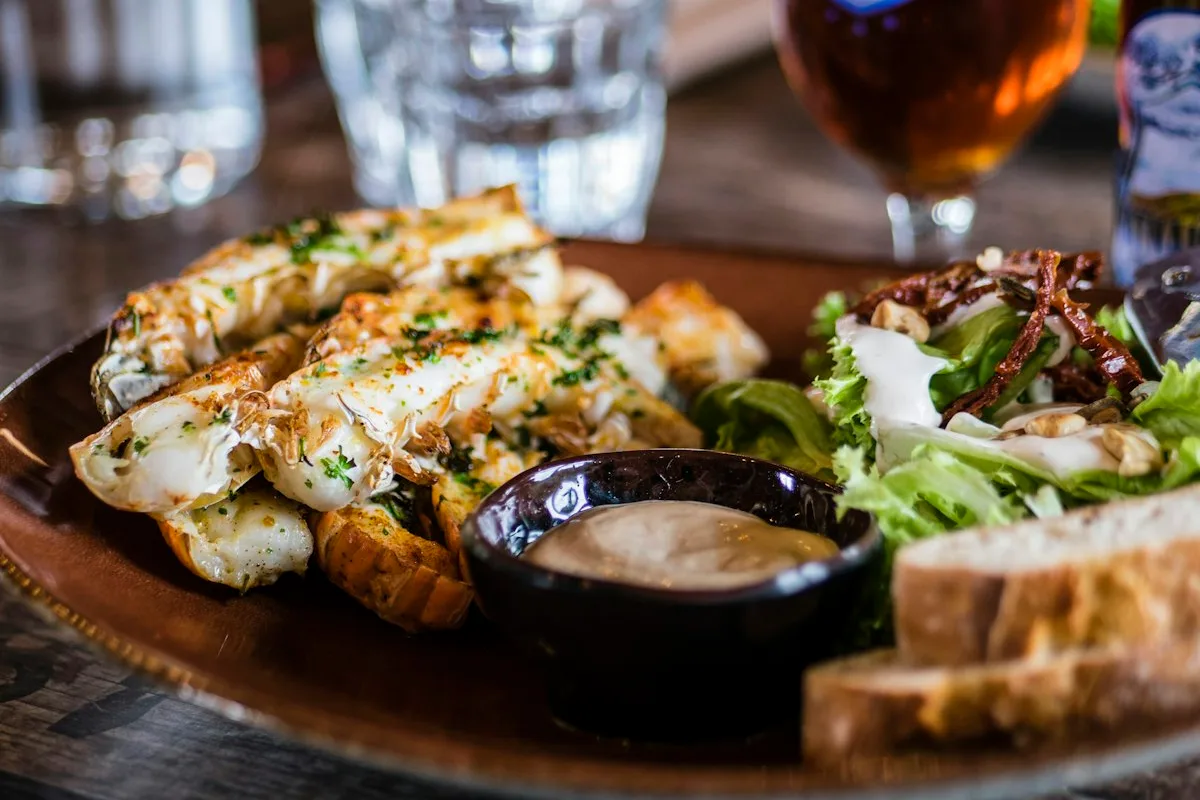
Batch Cooking Grain & Starch Mastery
- Quinoa & Farro: Cook using a 1:2 ratio of grain to liquid. Replace plain water with low-sodium bone broth or vegetable stock, along with a crushed garlic clove and bay leaf. This infuses flavor directly into the grain core.
- Brown Rice: Use the “pasta method”—boil brown rice in a large pot of boiling water for 30 minutes, drain through a colander, return to the empty warm pot, cover with a lid, and let steam off the heat for 10 minutes. This guarantees fluffy, separate grains every time.
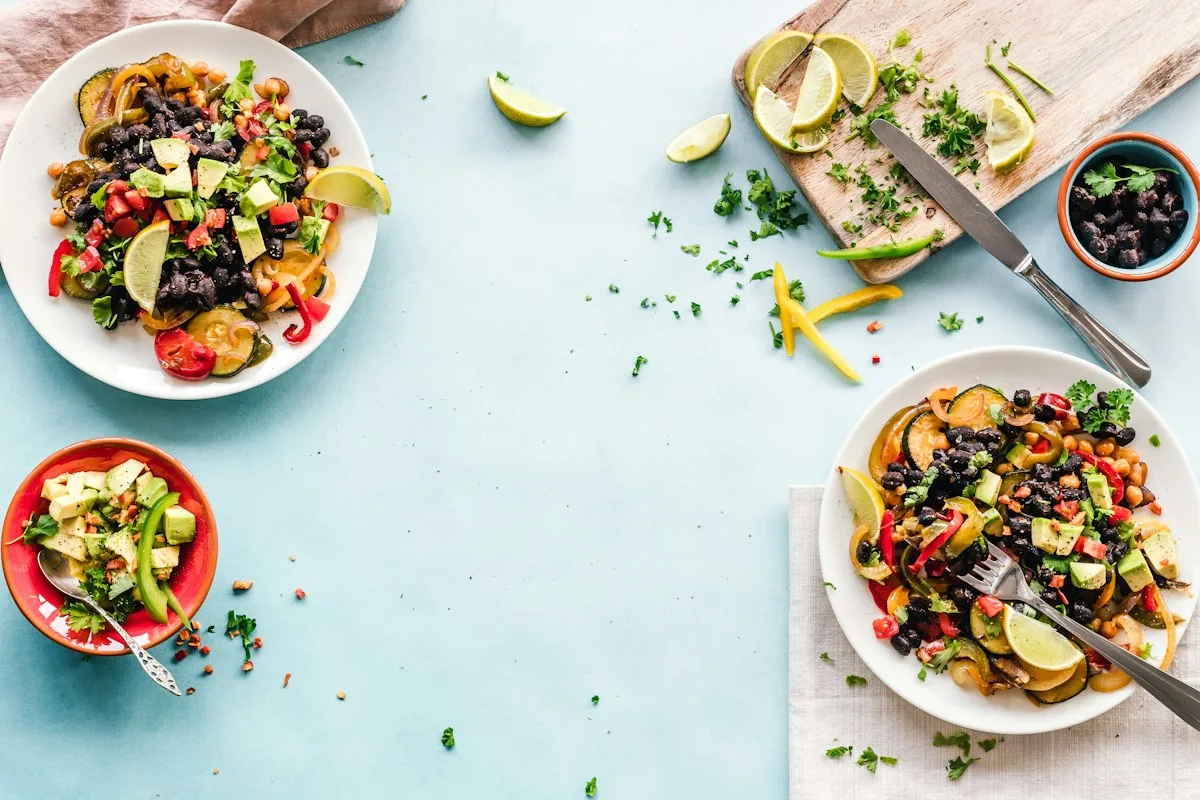
Protein Batch Cooking: Preventing the “Dry Chicken” Syndrome
- Favor Thighs Over Breasts: Boneless, skinless chicken thighs contain slightly more intramuscular connective tissue (collagen), allowing them to remain tender and juicy when reheated days later, unlike chicken breast which easily dries out.
- Use a Meat Thermometer: Pull poultry from the oven the moment the thickest part reads 160°F (71°C). Carryover cooking will bring it to the FDA-recommended 165°F during rest without scorching moisture.
- Shredding vs. Slicing: For meal prep, shredded chicken (using two forks or a stand mixer) absorbs sauces and dressings far better during storage than pre-sliced cutlets.
| Staple Food | Yield Multiplier | Fridge Shelf-Life | Best Freezer Method |
|---|---|---|---|
| Cooked Brown Rice / Quinoa | 1 cup dry = 3 cups cooked | 4 to 5 days | Freeze flat in zip-top bags; reheat with 1 tbsp water |
| Slow-Cooker Black Beans | 1 lb dry = 6 cups cooked | 5 days | Freeze in 2-cup portions submerged in cooking broth |
| Roasted Chicken Thighs | 3 lbs raw = ~2 lbs cooked | 4 days | Shred and freeze with pan drippings |
| Roasted Sweet Potato Cubes | 3 large = ~6 portions | 5 days | Do not freeze; store in glass and reheat in air fryer |
The Bottom Line
Batch cooking transforms your kitchen from a chaotic daily chore into an efficient culinary assembly line. Cook smart once, eat exceptionally well for days, and reclaim hours of your workweek.
Sources
HealthScope uses government health agencies, medical institutions, and peer-reviewed research to support the facts in our articles. Read our sources policy.
- U.S. Department of Agriculture (USDA). Food Safety and Storage Guidelines for Cooked Foods (opens in a new tab). 2021.
- International Journal of Food Microbiology. Bacillus cereus in Cooked Rice: Factors Influencing Growth and Toxin Production (opens in a new tab). 2005.