Blue Light and Melatonin: How Evening Screens Delay Sleep and How to Mitigate It
The photobiology of artificial light at night (ALAN). How blue light from screens suppresses melatonin, alters REM sleep, and mitigation strategies.
Expert reviewed by Tanisha Panwar, MS, CISSN on Reviewed for accuracy by the professional named here. How we label reviews
In This Article
Until Thomas Edison patented the incandescent light bulb in 1879, human nighttime illumination consisted exclusively of fire: campfires, candles, and oil lamps. The spectral signature of firelight is heavily weighted toward red and amber wavelengths, with virtually zero high-energy blue-green photons.
Today, modern life is saturated with Artificial Light at Night (ALAN). Our homes are illuminated by high-efficiency LED ceiling fixtures, while our faces are bathed in the harsh, cold glow of tablets, laptops, and smartphones.
While artificial light revolutionized human economic productivity, it introduced a profound biological mismatch with our evolutionary circadian architecture.
The Photobiology of Melatonin Suppression
In your brain’s pineal gland sits the biochemical factory that produces melatonin, often referred to as the “hormone of darkness.” Melatonin does not knock you unconscious like an anesthetic sleeping pill; it acts as the master hormonal signal that coordinates sleep readiness across all organ systems:
- It lowers core body temperature.
- It decelerates heart rate and respiration.
- It prepares the brain’s cerebral cortex for slow-wave synchronization.
The intrinsically photosensitive Retinal Ganglion Cells (ipRGCs) in your eyes that receive light are maximally sensitive to a specific, narrow band of light: short-wavelength blue photons between 450 and 480 nanometers.
When blue light strikes your retina in the evening, your suprachiasmatic nucleus treats it as an emergency signal that the sun has suddenly reappeared, suppressing melatonin production by up to 85% and shifting your circadian phase backward by 90 minutes.
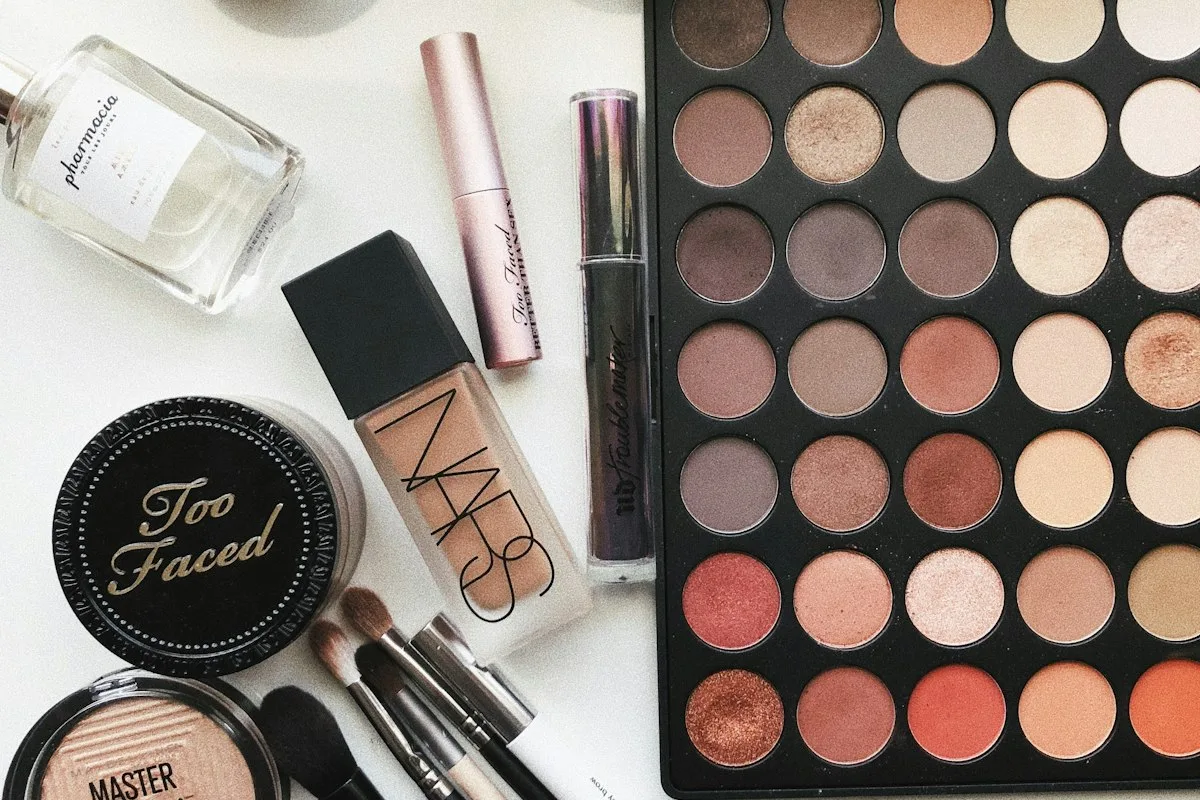
Harvard Clinical Trial: eReaders vs. Print Books
A landmark randomized controlled trial conducted by neuroscientists at Harvard Medical School compared healthy adults who read either an iPad eReader or a printed paper book for 4 hours before bedtime for five consecutive nights:
- The iPad readers took significantly longer to fall asleep (increased sleep latency).
- They experienced 50% less evening melatonin secretion.
- Their REM sleep was dramatically delayed and reduced.
- Most surprisingly, even after sleeping for a full 8 hours, the iPad readers woke up feeling significantly groggier and took hours longer to reach full mental alertness the following morning.
Practical Mitigation Strategies
Complete technological abstention after dark is unrealistic for most working adults. Fortunately, smart environmental engineering allows you to protect your melatonin biology while functioning in the modern world:
- Lower the Physical Height of Light: In the evening, turn off overhead ceiling lights. Retinal melanopsin cells reside predominantly in the inferior (lower) half of your retina, evolved specifically to detect sunlight coming from above. Using low-placed floor lamps and table lamps below eye level significantly reduces ipRGC stimulation.
- Switch to Warm Amber / Red Bulbs: Replace bedroom and living room light bulbs with warm amber bulbs (2,200 Kelvin or lower) or red-spectrum LED nightlights, which produce zero blue wavelengths.
- Install Software Color Adjustments: Enable Night Shift (Apple) or f.lux / Night Light (Windows/Android) on all devices, setting them to the warmest possible color profile at sunset.
- Wear True Blue-Blocking Glasses: If you must work late on a laptop or watch television, wear certified amber- or red-tinted blue-blocking glasses that block 95% to 100% of light between 400 and 500nm. (Clear “computer glasses” only block 10%–15% and are largely ineffective for melatonin protection).
| Intervention | Blue Light Blocked (450–480nm) | Impact on Melatonin | Best Practical Use Case |
|---|---|---|---|
| Overhead White LED Lighting | 0% blocked (High Blue) | Severe suppression (>80% drop) | Avoid completely after 8:00 PM |
| Software Night Shift / Warm Mode | 20% to 40% reduction | Moderate benefit; screen intensity still high | Standard evening digital browsing |
| Warm Amber Table Lamps (<2,200K) | 80% to 90% reduction | Preserves natural evening melatonin surge | Living room and bedroom reading |
| Certified Amber Blue-Blocker Glasses | 98% to 100% blocked | Complete biological protection | Essential when working on screens late at night |
The Bottom Line
Light is the most powerful biological drug on the planet. Flood your eyes with natural sunlight in the morning, and protect yourself from artificial blue photons at night to align with your evolutionary biology and enjoy profound, restful sleep.
Sources
HealthScope uses government health agencies, medical institutions, and peer-reviewed research to support the facts in our articles. Read our sources policy.