Heart Rate Accuracy: ECG Chest Straps vs. Wrist Optical Sensors in HIIT
Explore the technology behind heart rate monitoring. Electrocardiography (ECG) chest straps vs. photoplethysmography (PPG) wrist sensors in high-intensity training.
Expert reviewed by Tanisha Panwar, MS, CISSN on Reviewed for accuracy by the professional named here. How we label reviews
In This Article
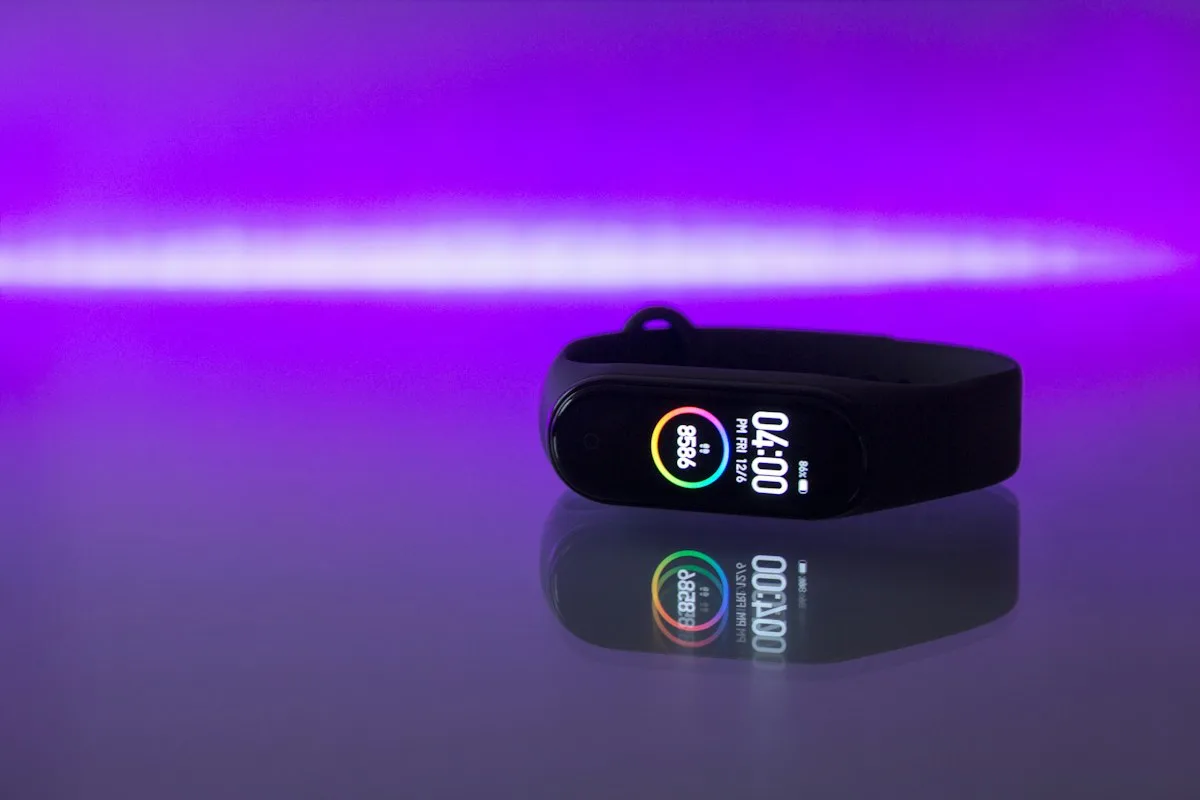
Modern smartwatches have made heart rate tracking as simple as glancing at your wrist. Whether you are running on a treadmill or lifting weights, your watch displays a reassuring digital number purporting to reflect your exact beats per minute (BPM).
However, if you have ever engaged in high-intensity interval training (HIIT), kettlebell swings, or sprint intervals, you may have noticed something bizarre: you finish an all-out 30-second sprint gasping for air, yet your smartwatch reads a casual 112 BPM. Ten seconds later, while you are resting with hands on your knees, your watch suddenly spikes to 175 BPM.
This lag is not a minor bug; it is an inherent physical limitation of optical wrist sensors. For true training accuracy, the ECG chest strap remains the undisputed gold standard.
The Technological Battle: ECG vs. Optical PPG
To understand why these devices diverge, you must understand their underlying detection mechanisms:
1. Chest Straps (Electrocardiography - ECG)
- A chest strap (such as the Polar H10 or Garmin HRM-Pro) wraps around your thoracic ribcage directly over your heart.
- It contains conductive electrode pads that detect the actual electrical action potentials (the P-Q-R-S-T wave) generated by your heart muscle every time the sinoatrial node fires.
- Accuracy: Identical to a hospital electrocardiogram. It captures changes instantaneously beat-by-beat with 99.9% clinical accuracy.
2. Smartwatches (Photoplethysmography - PPG)
- Your smartwatch shines green LED light through your skin into the capillary beds of your wrist.
- Blood absorbs green light. Every time your heart pumps a wave of blood into your wrist, more green light is absorbed; between pulses, less light is absorbed. An optical photodiode measures this reflectance change to estimate heart rate.
- The Physical Limitation: Optical PPG does not measure electricity; it measures fluid hydraulic flow in peripheral capillaries. It takes time for a blood pulse wave to travel from your chest down your arm to your wrist—introducing an inherent 10- to 15-second physiological delay.

The Cadence Lock Problem and Arm Movement
Optical sensors face another major failure point: Motion Artifacts and “Cadence Lock”:
- When you run, row, or swing a kettlebell, your wrist moves rapidly through space. If the watch bounces against the skin even microscopic fractions of a millimeter, ambient light leaks into the optical sensor.
- The watch’s algorithmic filter tries to eliminate this noise, but frequently gets confused and locks onto your running cadence (e.g., 170 steps per minute) instead of your true heart rate (e.g., 145 BPM).
- Furthermore, gripping an exercise tool tightly (such as a barbell or bicycle handlebar) tenses the forearm flexor tendons, compressing wrist capillary beds and blinding the optical sensor.

When Is a Smartwatch Good Enough?
Does this mean you need to wear a chest strap 24/7? No.
- Smartwatches Are Excellent For: Steady-state low-intensity aerobic training (Zone 2 cardio, flat road running, walking), overnight resting heart rate, and daily activity tracking where heart rate changes gradually.
- Chest Straps Are Essential For: High-Intensity Interval Training (HIIT), sprint intervals, functional cross-training, indoor cycling power-zone testing, and accurate Heart Rate Variability (HRV) readiness testing.
| Dimension | ECG Chest Strap (Polar H10, Garmin) | Optical Wrist Watch (Apple, Garmin, FitBit) |
|---|---|---|
| Measurement Mechanism | Direct electrical myocardial potentials (ECG) | Optical capillary blood volume changes (PPG) |
| Latency / Response Time | Instantaneous (beat-by-beat; zero lag) | 10 to 15-second latency delay during intervals |
| HIIT / Sprint Accuracy | 99.9% medical-grade accuracy | Frequently drops out or lags during rapid heart rate surges |
| Vulnerability to Cadence Lock | Zero (unaffected by arm swinging) | High during fast running or bumpy cycling |
| Daily Convenience | Moderate; must moisten electrodes and wear strap | Extremely High; worn all day as a wristwatch |
The Bottom Line
For casual daily health tracking and steady-state walking, your smartwatch is fantastic. But if you rely on heart rate zones for serious interval training or athletic conditioning, invest in an inexpensive Bluetooth ECG chest strap and train with true precision.
Sources
HealthScope uses government health agencies, medical institutions, and peer-reviewed research to support the facts in our articles. Read our sources policy.
- Medicine & Science in Sports & Exercise. Accuracy of Wearable Heart Rate Monitors in Athletes: A Head-to-Head Comparison (opens in a new tab). 2019.
- Journal of Sports Sciences. Validation of Photoplethysmography for Measuring Heart Rate During High-Intensity Interval Training (opens in a new tab). 2018.