Foods for Brain Health: Nutrients That Support Memory, Focus, and Neurogenesis
Discover the clinical MIND diet framework. How flavonoids, wild fish DHA, choline, and dark leafy greens protect cognitive function and neuroplasticity.
Expert reviewed by Shivam Gupta, CSCS, CPT on Reviewed for accuracy by the professional named here. How we label reviews
In This Article
Your brain comprises only approximately 2% of your total body weight, yet it commands over 20% of your body’s total basal metabolic energy and oxygen supply. Every thought, memory, emotional reaction, and motor movement requires an enormous amount of cellular ATP and enzymatic substrate.
Over the past decade, nutritional neuroscience has established that what you eat directly influences the structural integrity of your cerebral neurons, the speed of synaptic neurotransmission, and the rate of neurogenesis (the birth of new brain cells in the hippocampus).
The gold standard in this field is the MIND Diet (Mediterranean-DASH Intervention for Neurodegenerative Delay), developed by nutritional epidemiologists at Rush University Medical Center, which demonstrated that rigorous adherence lowered Alzheimer’s disease risk by up to 53%.
1. Wild Cold-Water Fish (DHA Omega-3s)
The human brain is roughly 60% fat by dry weight, and an extraordinary portion of that structural lipid architecture consists of Docosahexaenoic Acid (DHA).
- DHA incorporates directly into neuronal cell membranes, regulating membrane fluidity, ion channel speed, and synaptic transmission.
- Clinical Target: Consume wild salmon, sardines, mackerel, or trout at least twice weekly.

2. Wild Blueberries & Dark Berries (Anthocyanins)
Berries are the only fruit specifically singled out in the MIND diet protocol:
- Blueberries are packed with a subclass of flavonoids called anthocyanins. In animal and human clinical trials, anthocyanins have been demonstrated to cross the blood-brain barrier, accumulating specifically in the hippocampus and striatum.
- Anthocyanins stimulate Brain-Derived Neurotrophic Factor (BDNF) and enhance cerebral blood flow, directly improving working memory and learning speed.
- Clinical Target: 1/2 cup to 1 cup of organic wild blueberries or blackberries at least 3 to 5 times per week.
3. Dark Leafy Greens (Lutein & Folate)
In longitudinal studies of cognitive aging, individuals who consumed one to two servings of dark leafy greens per day possessed the cognitive sharpness of people 11 years younger.
- Leafy greens (spinach, kale, Swiss chard, arugula) provide a dense cocktail of lutein, folate, phylloquinone (vitamin K1), and beta-carotene, which shield brain tissue from lipid peroxidation.
| Brain Superfood | Key Bioactive Compound | Primary Mechanism of Action | Target Dosage |
|---|---|---|---|
| Wild Salmon & Sardines | DHA & EPA Omega-3s | Maintains neuronal membrane fluidity and synaptic plasticity | 2 to 3 servings / week |
| Wild Blueberries | Anthocyanins & Flavonoids | Enhances hippocampal signaling and cerebral blood flow | 1/2 cup daily |
| Spinach & Kale | Lutein, Folate, Vitamin K1 | Reduces neuroinflammation and slow cognitive decline | 1 to 2 cups raw daily |
| Walnuts | Alpha-Linolenic Acid (ALA) & Polyphenols | Lowers oxidative stress in cortical microvessels | 1 ounce (small handful) daily |
| Pastured Egg Yolks | Choline & Phosphatidylcholine | Precursor for acetylcholine (the memory neurotransmitter) | 2 to 3 whole eggs daily |
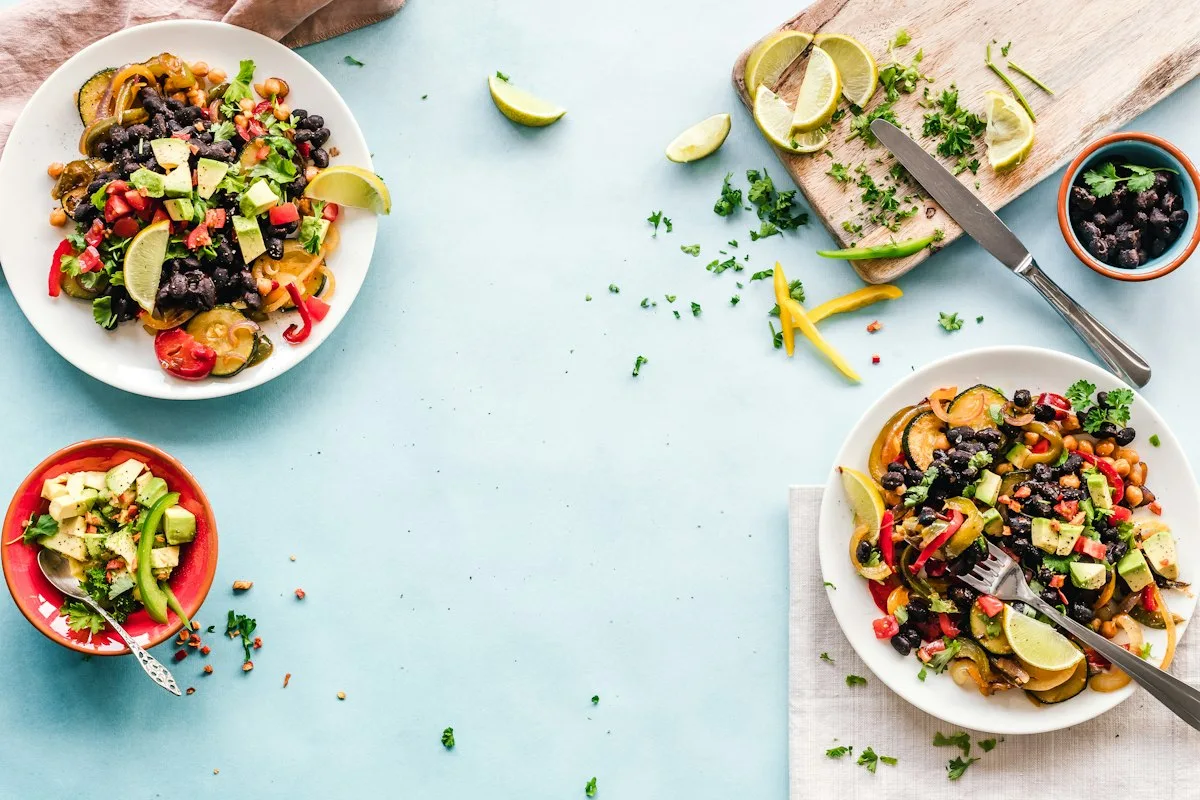
4. Pastured Egg Yolks (Choline)
For decades, egg yolks were foolishly discarded due to misguided cholesterol fears. In reality, egg yolks are the single richest dietary source of choline:
- Choline is the biological precursor to acetylcholine, the vital neurotransmitter responsible for attention, memory encoding, and muscle motor recruitment.
- Choline deficiency is strongly associated with poor memory retention and cognitive sluggishness.
The Bottom Line
Every meal you eat is an opportunity to either fuel or inflame your brain. By anchoring your daily nutrition around cold-water fish, dark berries, leafy greens, walnuts, and choline-rich eggs, you construct a resilient cognitive shield that protects mental sharpness for decades.
Sources
HealthScope uses government health agencies, medical institutions, and peer-reviewed research to support the facts in our articles. Read our sources policy.
- Alzheimer’s & Dementia. MIND Diet Associated with Reduced Incidence of Alzheimer’s Disease (opens in a new tab). 2015.
- Nutritional Neuroscience. The Role of Dietary Polyphenols in Cognitive Function and Neuroprotection (opens in a new tab). 2018.