Top Prebiotic Foods: How Resistant Starch and Inulin Feed Beneficial Gut Flora
Learn the difference between prebiotics and probiotics. How inulin, resistant starch, and prebiotic fibers fuel Akkermansia and produce healing butyrate.
Expert reviewed by Shivam Gupta, CSCS, CPT on Reviewed for accuracy by the professional named here. How we label reviews
In This Article
Over the past decade, consumer interest in gut health has exploded. Millions of people spend billions of dollars purchasing expensive probiotic capsules containing billions of live bacterial colonies, hoping to fix bloating, brain fog, and low immunity.
However, gastroenterologists often use an intuitive gardening analogy: buying probiotic pills without eating prebiotic foods is like scattering grass seed on a scorched desert without watering the soil. The seeds inevitably wither and die.
Prebiotics are the specialized non-digestible dietary fibers and plant substrates that pass untouched through the human stomach and small intestine to serve as biological fertilizer for your native beneficial gut microbes.
What Happens When Gut Microbes Dine on Prebiotics?
Your colon is inhabited by an estimated 38 trillion microorganisms. When you consume prebiotic fibers (such as inulin, fructooligosaccharides, and resistant starch), species like Bifidobacterium, Faecalibacterium prausnitzii, and Akkermansia muciniphila ferment these substrates, producing Short-Chain Fatty Acids (SCFAs):
- Butyrate: The primary fuel source for colonocytes (the cells forming the gut lining). Butyrate maintains tight junctions, preventing intestinal permeability (“leaky gut”), and downregulates pro-inflammatory cytokines throughout the entire body.
- Propionate: Travels via the portal vein to the liver, where it helps regulate gluconeogenesis and cholesterol synthesis.
- Acetate: The most abundant SCFA, which enters the systemic circulation to nourish peripheral tissues and signal satiety to the brain’s hypothalamus.
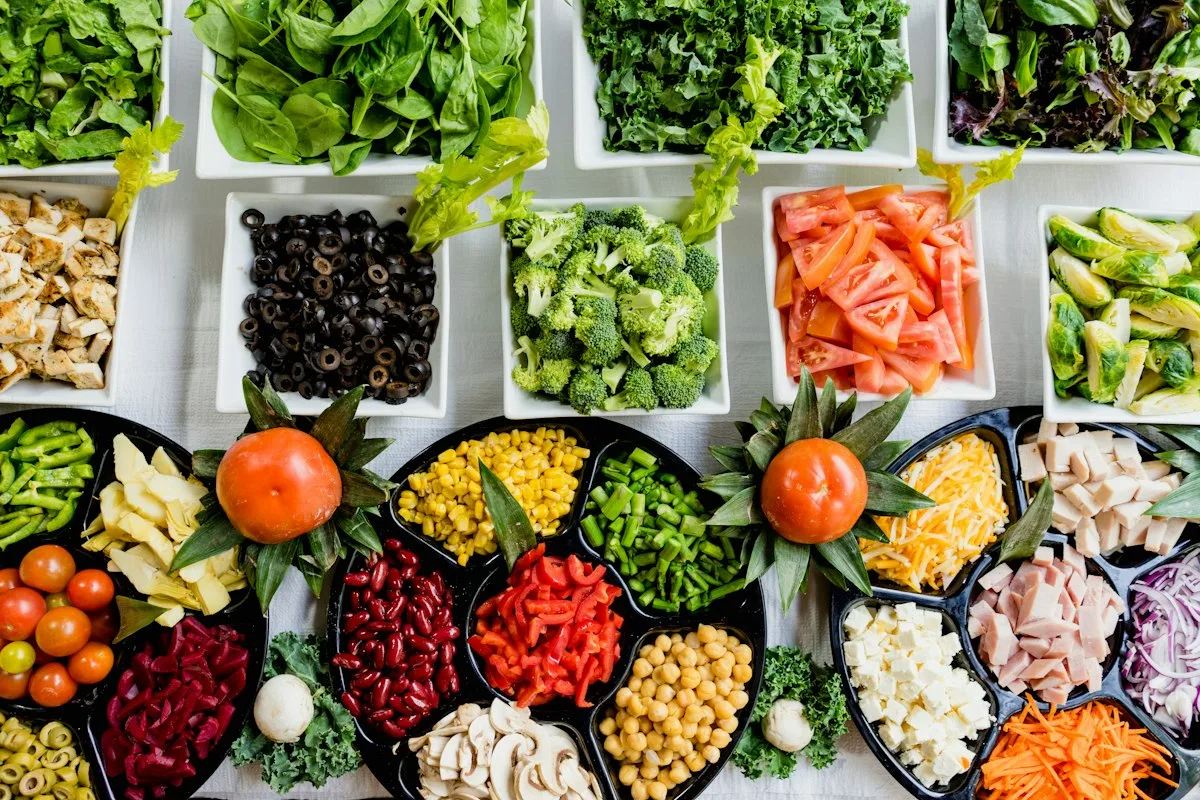
The 4 Champion Classes of Prebiotic Foods
1. Inulin & Fructans (The Allium Superstars)
- Inulin is a complex soluble fructose polymer that selectively promotes the growth of Bifidobacteria.
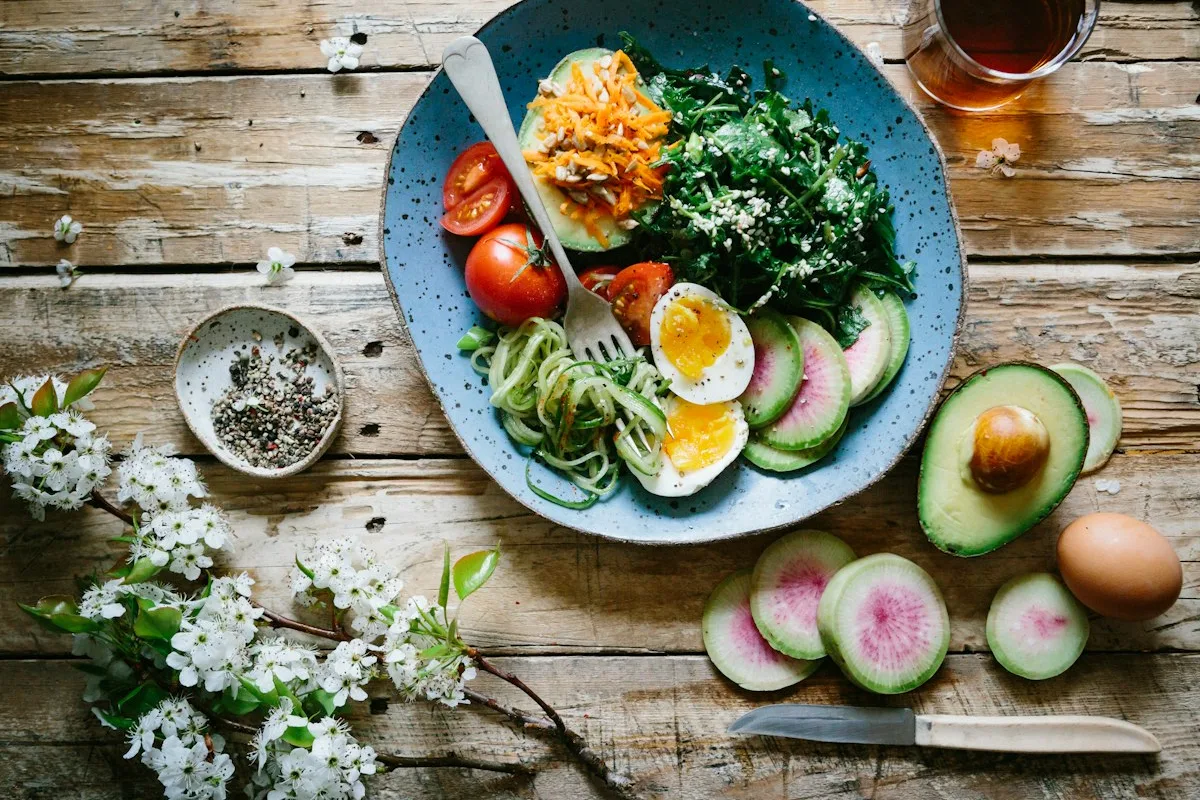
- Top Sources: Raw garlic, onions, leeks, shallots, Jerusalem artichokes (sunchokes), asparagus, and chicory root.
2. Resistant Starch Type 3 (The Cooking & Cooling Hack)
- Resistant starch resists enzymatic digestion in the upper gastrointestinal tract, acting functionally like soluble fiber.
- The Kitchen Hack: When you boil potatoes, rice, or pasta and cool them in the refrigerator overnight, their gelatinized starches undergo retrogradation, recrystallizing into Resistant Starch Type 3. Even if you gently reheat them the next day, the resistant starch structure remains intact, delivering 300% more prebiotic fuel to your colon while cutting the glycemic index in half.
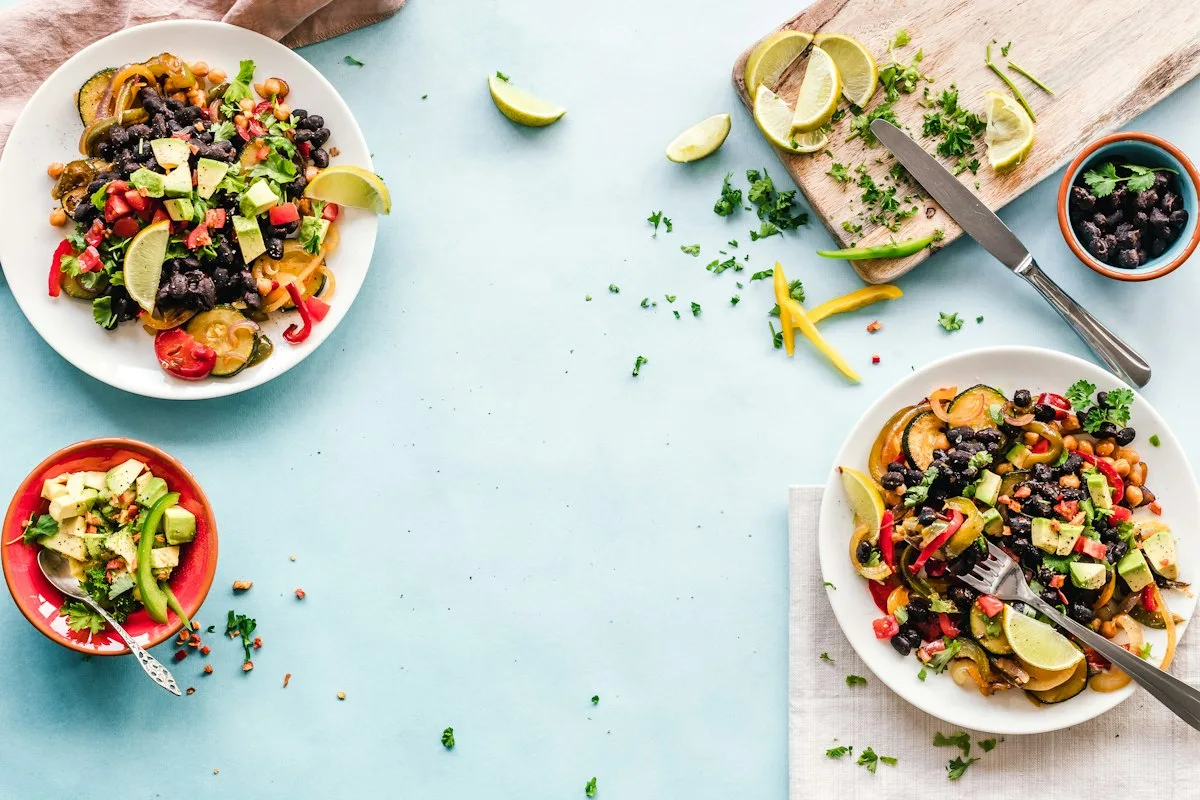
3. Beta-Glucans (The Heart-Gut Hybrid)
- Highly viscous soluble fibers that form a protective gel in the digestive tract.
- Top Sources: Rolled oats, steel-cut oats, barley, and medicinal mushrooms (reishi, shiitake).
4. Polyphenols (The Microbial Colored Dyes)
- While not technically fibers, plant polyphenols (anthocyanins, catechins, proanthocyanidins) resist small intestine absorption; roughly 90% reach the colon where they stimulate the proliferation of Akkermansia muciniphila—a specialized microbe that thickens the protective mucosal gut lining.
- Top Sources: Pomegranates, dark berries, green tea, cocoa (70%+), and red cabbage.
| Prebiotic Food | Key Prebiotic Compound | Target Microbes Nourished | Primary Health Benefit |
|---|---|---|---|
| Garlic, Onions, Leeks | Inulin & FOS (Fructans) | Bifidobacteria, Lactobacilli | Inhibits pathogenic Clostridium; boosts calcium absorption |
| Cooled Cooked Potatoes / Rice | Resistant Starch Type 3 | Faecalibacterium prausnitzii | Massive butyrate production; strengthens gut mucosal barrier |
| Green Underripe Bananas | Resistant Starch Type 2 | Ruminococcus bromii | Improves insulin sensitivity and stabilizes bowel transit |
| Rolled Oats & Barley | Beta-Glucan | Bifidobacteria | Lowers LDL cholesterol and smooths postprandial glucose |
| Dark Berries & Pomegranates | Polyphenols & Ellagitannins | Akkermansia muciniphila | Thickens gut mucus layer; reduces metabolic endotoxemia |
The Bottom Line
A thriving microbiome is not bought in a supplement bottle; it is fed at the end of your fork. Incorporate inulin-rich vegetables, cooled starches, oats, and colorful polyphenols into your daily meals to cultivate a resilient, protective inner ecosystem.
Sources
HealthScope uses government health agencies, medical institutions, and peer-reviewed research to support the facts in our articles. Read our sources policy.
- Foods. Prebiotics: Definition, Types, Sources, Mechanisms, and Clinical Applications (opens in a new tab). 2019.
- Comprehensive Reviews in Food Science and Food Safety. Resistant Starch and Its Role in the Prevention and Management of Chronic Diseases (opens in a new tab). 2019.