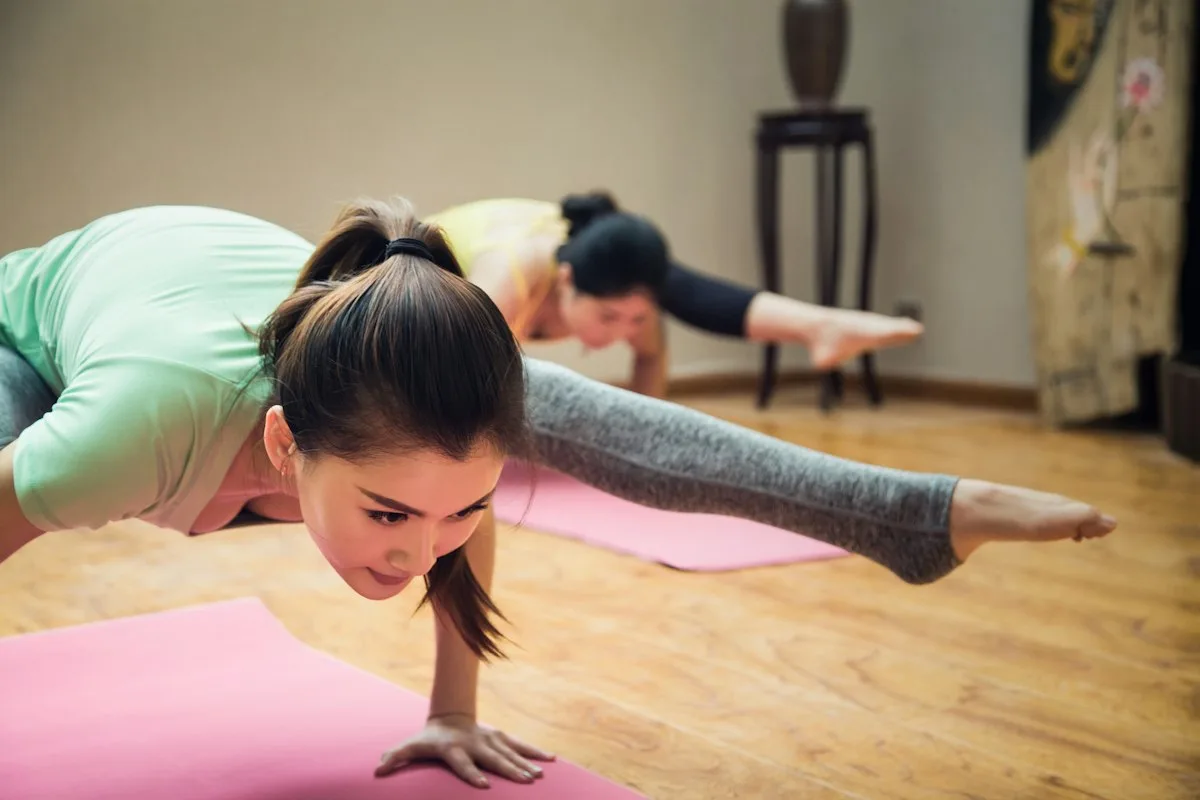
Daily Hip Mobility Routine: Relieve Lower Back Tightness and Stiffness
Combat the physiological fallout of prolonged sitting with an 8-minute daily hip mobility sequence designed to restore pelvic alignment.
Expert reviewed by Tanisha Panwar, MS, CISSN on Reviewed for accuracy by the professional named here. How we label reviews

When you sit in an office chair for eight hours a day, your hip joints remain frozen in 90 degrees of flexion. Over months and years, your body adapts to this chronic posture: your hip flexors (psoas and rectus femoris) become chronically shortened, your gluteal muscles undergo neurological inhibition (“glute amnesia”), and your pelvis is pulled into an anterior tilt.
Because the human kinetic chain is interconnected, stiff hip joints force your lumbar spine to compensate by twisting and bending in ways it was never structurally designed to handle, leading to chronic lower back pain.
The 8-Minute Daily Hip Mobility Sequence
Perform this routine once daily—either as a midday desk break or before evening relaxation. Spend 60 to 90 seconds on each position.
1. The 90/90 Hip Opener (Internal & External Rotation)
- Setup: Sit on the floor with your lead leg bent at 90 degrees in front of you and your trail leg bent at 90 degrees to the side.
- Execution: Keep your spine tall. Gently hinge forward over your front shin until you feel a deep stretch in your lead glute. Hold for 45 seconds, then sit upright and rotate your torso toward your back hip to engage internal rotation.
- Why It Matters: Most hip stretches only target external rotation; the 90/90 restores crucial internal rotation needed for natural gait.

2. Half-Kneeling Psoas Stretch with Posterior Pelvic Tilt
- Setup: Drop into a lunge with one knee resting on a cushion or mat and the other foot planted in front.
- Execution: Rather than lunging forward into an arched lower back, tuck your pelvis under (like a dog tucking its tail) and squeeze your rear glute. Shift your hips forward just two inches while maintaining that squeeze.
- Why It Matters: Tucking the pelvis isolates the deep psoas and rectus femoris without hyperextending your lumbar vertebrae.
3. The Frog Stretch (Adductor & Groin Mobility)
- Setup: Start on hands and knees, then slide your knees as wide apart as comfortably possible while turning your feet outward.
- Execution: Drop down to your forearms. Gently rock your hips backward toward your heels until you feel a deep, comfortable stretch across your inner thighs. Hold for 5 deep breaths, rock forward slightly, and repeat.
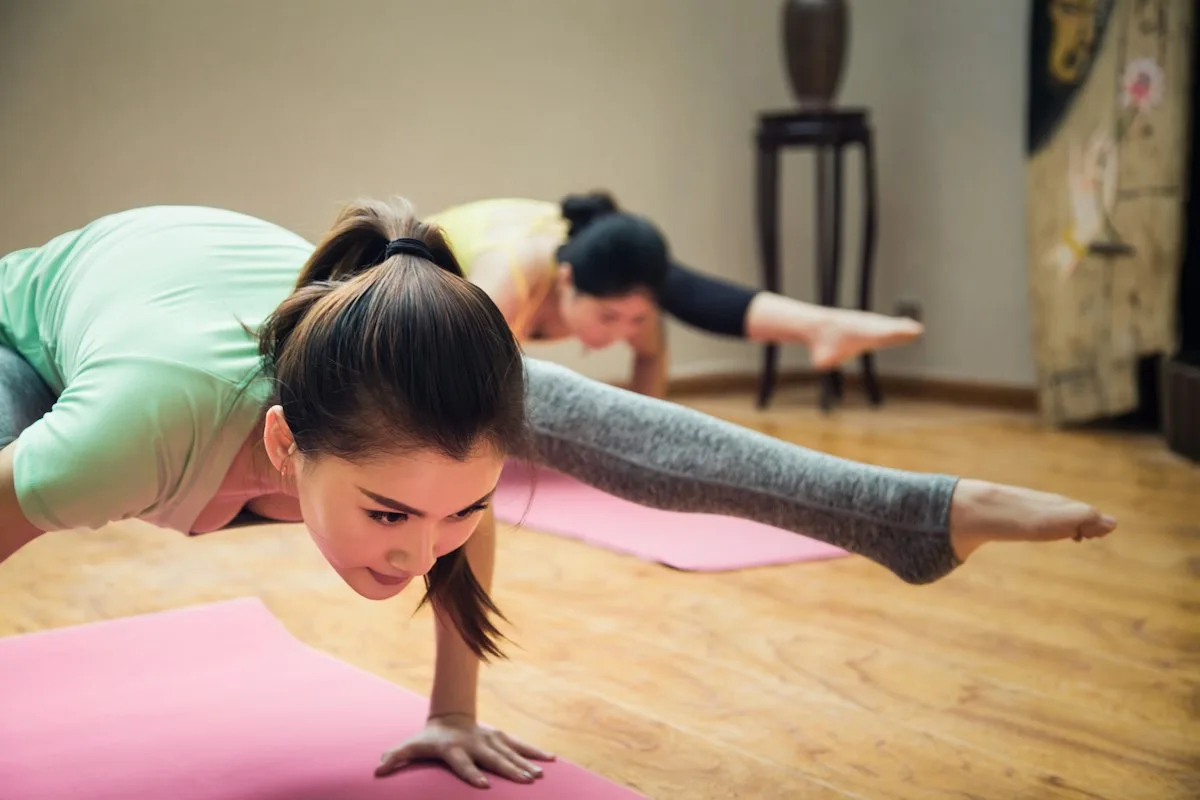
4. Deep Supported Squat Hold
- Setup: Stand with feet shoulder-width apart. Hold onto a sturdy desk leg, doorframe, or power rack for support.
- Execution: Drop into the bottom of a deep squat. Keep your heels flat and your chest tall, using your arms to keep your torso upright. Gently pry your knees outward with your elbows. Breathe into your pelvis for 60 seconds.
| Exercise | Target Tissue | Recommended Hold | Key Sensation |
|---|---|---|---|
| 90/90 Hip Flow | Hip joint capsule, Piriformis, Gluteus Medius | 60 sec each side | Deep stretch in outer glute and inner groin |
| Half-Kneeling Psoas Stretch | Psoas Major, Rectus Femoris, Hip Flexors | 45 sec each side | Intense lengthening across the front of the hip |
| Frog Stretch | Adductor Magnus, Brevis, Groin | 60 seconds | Broad stretch through the inner thighs |
| Supported Squat Hold | Ankles, Hips, Pelvic Floor | 60 seconds | Decompression of the lower back and pelvic ring |
The Bottom Line
Your hips are the mechanical engine of human locomotion. Dedicating just eight minutes a day to restoring their natural rotational freedom will relieve back discomfort and restore fluid, athletic movement.
Sources
HealthScope uses government health agencies, medical institutions, and peer-reviewed research to support the facts in our articles. Read our sources policy.
- Journal of Orthopaedic & Sports Physical Therapy. The Effect of Hip Mobility on Lumbar Spine Biomechanics (opens in a new tab). 2015.
- Applied Ergonomics. Sedentary Behavior and Musculoskeletal Discomfort in Desk Workers (opens in a new tab). 2016.